Well designed warden training drills transform plan into response. Theoretically, the chief warden coordinates, area wardens sweep, interactions flow, and emptyings run like a train schedule. In technique, the initial minute of an event makes a decision whether people rely on the plan, follow directions, and get to a secure assembly factor without confusion. Great drills build that muscular tissue memory. Wonderful drills do much more: they surface weak points in systems and leadership, hone choice making under stress, and align your group's competence with governing obligations such as PUAFER005 and PUAFER006.
I have actually run and investigated lots of exercises in high rise workplaces, aged treatment, institutions, light commercial, and healthcare. The patterns are consistent. Drills are successful when they mirror the website's real threats and restrictions, and when wardens educate to a clear standard: calm communication, crucial activity, and accurate coverage. Below is a functional structure, grounded in experience, for developing warden training circumstances that in fact change behavior.
The risks for wardens and employers
In several work environments, the emergency situation control organisation, or ECO, is a lineup on a noticeboard and a box of high visibility hats in a cabinet. During a fire alarm at 11.12 get on a wet Tuesday, that thin layer of prep work is all that rests between order and disorder. Individuals will search for a leader. The chief warden's voice, directions from floor wardens, and the convenience of a well-known path to a recognized assembly area are what keep elevators vacant, stairwells relocating, and at risk team supported.
Regulators and criteria boards comprehend this. In Australia, the PUAFER005 unit covers how to run as part of an emergency control organisation. The PUAFER006 unit concentrates on just how to lead an emergency control organisation. With each other they underpin fire warden training, chief warden training, and emergency warden training throughout industries. If your group finishes a puafer005 course or a puafer006 course, they will certainly learn the theory. Drills transform that understanding into performance.
What "excellent" resembles in warden drills
I court drills by three end results. Initially, wardens execute their roles in sequence without triggers. Second, passengers conform swiftly because guidelines are prompt, constant, and legitimate. Third, the debrief determines specific, reparable renovations, not unclear beliefs concerning "interaction." You can not achieve these results by duplicating a simple building evacuation two times a year. You need circumstances that stretch and focus the ECO, matched to risk.
A couple of markers of high quality: realistic time stress, limited details at the start, a clear trigger for rising or de escalating, and infuses that force decisions. For instance, a blocked stairwell on Degree 9 or a team member with a movement problems who can not come down at typical speed. One more pen: your warden package is really made use of. Radios, warden hats, lists, and floor plans have to leave the cupboard. If the chief warden hat colour or fire warden hat colour system exists to signal authority under stress and anxiety, every person ought to see it in action throughout drills to ensure that adoption is automated during an incident.
Aligning scenarios to website dangers and PUAFER competencies
PUAFER005, "run as part of an emergency situation control organisation," expects wardens to perform directions, connect, and assist in discharge. PUAFER006, "lead an emergency control organisation," anticipates principals and deputies to assess, make a decision, straight, and liaise with emergency situation solutions. When you make drills, map each infuse to a needed habits. If the objective is to confirm that location wardens can move an open plan flooring and report green light within 4 minutes, shape the situation to make sure that the move is the bottleneck. If the purpose is for the chief to stabilize contrasting reports and pick partial evacuation, feed them surprised info through comms.
The mix of circumstances should show your risk register. Web server areas, kitchens, lithium battery storage, parking area, plant rooms, clinical gases, labs, visitor flow, childcare on site, and after hours personnel all modify the threat profile. In an office tower, one drill could focus on a fire alarm from a mechanical flooring with smoke migration to two degrees above. In an aged treatment center, a compartment emptying method matters more than a complete site evacuation, and the emergency warden course content needs to enhance resident transfer methods and straight activity across fire compartments.
Roles, authority, and the presence problem
A shocking quantity of confusion in the initial two minutes boils down to exposure and authority. People respond to clear hints. Warden hats, vests, and lanyards do greater than tick a conformity box. They approve instant authenticity in jampacked hallways and stairwells. I have seen emptyings delay because the loudest voice belonged to an elderly supervisor as opposed to the warden. Visible role pens help stop that cross talk.
Questions concerning hat and headgear colours turn up in every fire warden course. The common convention used on many sites is red for wardens and white for chief wardens, sometimes with added markings for deputies or communications. Your regional standard or firm policy might vary, so order it in the website emergency strategy and train to it. When a person asks, "what colour helmet does a chief warden wear," you want a single answer that is printed on the poster near the panel and enhanced during every drill. The same chooses radio call signs and channel use.
Designing the annual drill program
One pierce a year is inadequate for a multi lessee structure or complicated risk setting. Conversely, month-to-month evacuations are unneeded and turbulent. Go for a blended program: two to four organized workouts throughout the year, each with a distinctive focus, sustained by brief tabletop sessions and micro drills for communications and decision making. New wardens need additional practice in their first quarter.
A balanced program may consist of a full structure evacuation, a partial or staged evacuation, an interactions exercise with no physical movement, and a situation that checks a non fire hazard such as a gas leakage, questionable bundle, or power failure. Turn the moment of day to catch various occupancy patterns. Rotate the beginning location so all floorings are checked throughout the year. Include an after hours test if you have extended operations.
Building blocks of effective scenarios
The ideal drills have clear beginning problems, live injects, defined duties for controllers and observers, and a short, focused debrief. Start problems ought to resemble practical triggers: smoke alarm activation, warmth detector, hand-operated call factor, emergency phone call to reception, or a report to security. Avoid revealing the precise situation to wardens prior to it begins. The uncertainty belongs to the learning.
Injects are controlled items of information or complications fed to participants at established times. A warden locates a locked fire door. A person rejects to evacuate. The elevator parks at the ground floor with guests inside. A radio battery dies. These injects expose just how the group prioritizes and adapts. Usage observers on each flooring to tape timing, behaviors, and bottlenecks.
A core emptying drill: makeup and detail
Start with your baseline, the complete emptying drill. This is where fire warden requirements in the workplace are most noticeable. You are checking sweep coverage, stairwell circulation, assembly management, roll matter, and re entrance control.
Pick a beginning area with adequate tenancy to test communications, but not the busiest floor during quarter end. Brief building monitoring, facility solutions, and tenants on the moment window and function. Do not release the flooring or sequence.
At T0, the alarm activates on the initiating flooring and surrounding floorings transfer to inform. The chief warden, recognisable by the chief warden hat, heads to the panel and checks the point of beginning. Communications begins the typical message. Area wardens on the starting flooring start the sweep, utilizing loud, clear voice commands, and systematically inspecting areas, washrooms, and energy areas. They report "floor clear" only when it is true.
Good groups keep their radio messages short. Floor 14 green light at three minutes twenty. Stairwell A crowded, draw away to Stairwell B. Lift vehicle 3 occupied, protection notified. If you hear long, conversational updates, train for brevity. The chief warden monitors timing and decides whether to leave additional floorings. If the situation consists of smoke migration, intensify accordingly.
At the assembly area, the deputy principal and interactions warden take care of roll counting with wardens organized by floor. If your website utilizes digital roll, test the device and the backup paper list. Someone will certainly constantly show up without a phone, so do not rely on a solitary system. The chief warden obtains records, notes any kind of missing out on persons, and communicates with the fire solution on arrival.
By the 10 minute mark, you should have a clear image of whether the ECO can move individuals safely and make up them. Aim for standard objectives: most floorings brushed up within 4 minutes, stairwell congestion handled, elevators safeguarded, and setting up reports completed in 12 to 15 minutes depending upon structure dimension. Big sites will certainly take longer, and that is fine if flow is managed and interaction is crisp.

Partial emptyings and decision training
Many contemporary structures have actually presented alarm systems and smoke control that enable partial emptying. These systems lower interruption yet demand much better decision production. This is where PUAFER006 lead an emergency control organisation comes to be important.
Design a situation where only the fire flooring and two floors above go to discharge while others continue to be on alert. Feed the chief warden uneven details: a smoke detector on Degree 7, a vague smell reported on Level 8, and a maintenance service provider working in the riser. Watch just how they triage. Do they send a warden to confirm a record prior to escalating the emptying? Do they advise untouched floorings to prepare however stay in place? Do they handle the building's heating and cooling via the panel or call the professional? These are the judgments that divide experienced leaders from box tickers.
During debrief, discuss the compromise between speed and confirmation. A dud with complete building discharge costs productivity and deteriorates count on. A slow reaction to an expanding fire prices lives. Chiefs have to sharpen a prejudice for action while making use of the first 60 seconds to narrow uncertainty. Instruct them to choose, communicate it, and review it as new information arrives.
Communications mini drills
Radios are both a blessing and a curse. They attach the ECO, but they additionally tempt individuals to tell their actions. Micro drills, five minutes each at the beginning of a change or a tool kit meeting, build technique. One person plays principal, three play flooring wardens. The controller calls out injects. The group practices terse updates: location, status, action, demand. Turn functions. Test dead batteries, stuck mics, and network modification faults. Interaction top quality frequently enhances more in 2 weeks of mini drills than in a solitary big evacuation.
Non fire circumstances that matter
Fire warden training should never indicate fire only. The emergency warden duty covers clinical emergency situations, gas leakages, bomb risks, terrible burglars, chemical spills, flooding, and power blackouts. You can not simulate everything physically, and some scenarios, like an individual armed with a tool, are best managed as controlled conversations with safety and cops assistance. Still, the ECO must understand its responsibilities.
A gas leak situation checks whether wardens can isolate a location, ban ignition sources, and aerate securely. A questionable plan scenario tests cordon facility, gain access to control, and interaction with authorities. A medical emergency examinations synchronised response: one warden collaborates and calls emergency solutions, an additional controls onlookers and lifts, a skilled initial aider offers treatment. The chief warden equilibriums case management with building impacts.
In a lab or plant environment, drills for spills and direct exposures matter. Exercise donning spill PPE, putting absorbing booms, and using eyewash stations. Do not transform this into theater. Focus on what wardens should do right away: separate, evacuate if required, and hand over to the skilled responder team.
Training brand-new wardens and revitalizing veterans
New wardens typically think twice the first time they advise coworkers to leave their workdesks. Training ought to stabilize that authority. During a puafer005 course, consist of brief function plays: technique an elderly manager, supply a clear discharge direction, and escort them to the stairwell. It feels uncomfortable only as soon as. After that, it ends up being routine.
Experienced wardens obtain contented. They understand the departures and number they can improvise. Break that behavior with shocks that require re assessment: a departure closed for building, a blocked corridor, a relocated setting up location due to roadworks. Maintain shocks risk-free and regulated, and never ever placed anyone in danger, but do test presumptions. Trust expands when individuals see the ECO maintain its equilibrium while plans change.
Special populaces and accessibility
Fire warden demands in the work environment include preparing for individuals that can not leave without assistance. That includes individuals with wheelchair impairments, pregnancy, injuries, anxiousness, visitors, and language obstacles. If your drill program does not attend to these facts, it will certainly fall short throughout an actual incident.
Create a private personal emergency situation emptying strategy register. During drills, make use of volunteers to mimic support needs if ideal. Exercise safe motion to refuge factors, use discharge chairs if your policy supports them, and group jobs that make certain nobody is left without aid. The chief warden ought to have a https://www.firstaidpro.com.au/course/puafer006/ simple means to track these assistances throughout a rapid relocating scenario.
The concern of hats, safety helmets, and signals
People remember visuals. Colour conventions exist to give fast add a noisy corridor. Several offices utilize white for the chief warden hat and red for fire wardens. Others include yellow for interactions and green for first aid. Uniformity issues more than the exact combination, but one guideline aids: make the chief warden hat colour distinct and easily visible at distance. When somebody asks on day one, "what colour helmet does a chief warden wear," your solution needs to match the gear you in fact provide, the posters, and what personnel see during drills. Bring the package to every scenario. A warden vest left in a drawer does nothing.
Documentation, evidence, and the compliance thread
Regulators and insurance firms want proof that your emergency warden training is actual. Keep a drill log with dates, times, goals, individuals, end results, and actions. Keep copies of floor plans used, radio check documents, and debrief notes. Connect each situation to proficiencies from puafer005 operate as part of an emergency control organisation and puafer006 lead an emergency control organisation. When auditors request your fire warden training requirements and results, you can reveal not just presence however performance.
If you run a chief warden course or chief fire warden training, include a decision log theme. Throughout drills, the acting chief documents major choices, times, and reasons. That small routine develops liability and helps in complex events. It additionally improves debrief top quality because you can compare regarded timing to actual timing.
Debriefing that drives change
The debrief is where drills gain their maintain. Stay clear of the trap of a long, undistinct discussion where every person uses viewpoints and nothing modifications. Start with realities: times, clearances, blockage points, communication misfires. After that record 2 to 4 certain enhancements with proprietors and due dates. Examples consist of reprogramming a radio channel, relocating a printer that blocks a passage, upgrading assembly area signs, releasing extra batteries, or clarifying the function of safety in elevator control.
Be fair. Drills reveal system problems as often as specific blunders. If a warden missed a storage place during a sweep, address it with method and a list, not condemn. If stairwell flow delayed because of a traffic jam at a touchdown, take into consideration physical changes or an adjustment in discharge sequencing. Release the outcomes so the bigger labor force sees that drills bring about action.
Scenario concepts you can raise and use
Here are five tried and tested circumstances. Adapt them to your site.
- Alert and evacuate with a blocked key departure: Start an alarm on a mid level floor. Location a controller at the key leave to announce a substitute clog. Wardens have to redirect circulation to the additional route and report the adjustment. Measure sweep time effect, stairwell balance, and communications discipline. Smoke movement test: Trigger a smoke alarm near a mechanical space. After preliminary emptying of the fire flooring, infuse a light smoke record on the flooring above. The chief warden has to decide to evacuate that floor while holding others at alert. Observe timing of news and the clarity of instructions to unaffected floors. Lift entrapment during discharge: Midway via a full discharge, inject a lift vehicle with owners stuck between floors. Protection takes care of lift procedures, while the ECO must keep people far from the lift entrance hall and continue discharge. Debrief the department of responsibilities and whether radio website traffic remained focused. Medical emergency throughout partial evacuation: Start with an alarm system on one flooring. Inject a clinical emergency 2 floorings away. Display the chief's capacity to designate a warden to lead paramedics, maintain evacuation control, and prevent radio blockage. Check handover quality. After hours situation with very little personnel: Run a table top or tiny scale drill at 7 pm with just a handful of wardens on website. Exercise single warden sweeps, use of master keys, and remote communication with the on call chief. Record the spaces and change the after hours roster.
These situations create decision points for both wardens and principals, align with puafer005 and puafer006 skills, and subject sensible concerns you can fix.
Common pitfalls and how to prevent them
Two errors thwart many programs. The initial is dealing with drills as conformity theater. Individuals pick up when the outcome is predetermined. Maintain circumstances fresh, differ details, and enforce standards. If somebody props a fire door open with a chair, capture it as an action. The second is neglecting human aspects. In a real alarm system, a person will freeze, someone will suggest, and somebody will certainly try to make use of the lift. Train wardens to anticipate these habits and use clear, confident language. Script a couple of expressions that work: Please leave now. Do not use the lift. Follow me to Stairwell B. Short, firm, polite.
Another pitfall is overusing e-mail to prepare individuals. It has its place, especially for lessees and site visitors, yet it can not replace a practiced voice over a speaker. If your PA messages are smothered or long, repair them. A crisp statement from the chief warden reduces inquiries and rates movement.

Finally, inspect the tiny things. Radio batteries charged. Extra vests offered. Floor plans current after a fit out. The chief warden responsibilities include preparedness, not only action. I keep a basic pre drill ritual: touch the radios, touch the hats, examine the panel keys, evaluate the roster. Little practices stop huge failures.
Choosing training companions and courses
If you outsource training, try to find providers that tailor drills to your site and can provide both a warden course straightened to puafer005 and a chief warden course aligned to puafer006. Inquire to run a gap evaluation on your emergency situation plan and to include viewers who produce timing information and a short, workable report. Quality service providers will additionally address edge cases: impaired emptying methods, service provider management, and visitors. For the chief fire warden, select training that goes beyond checklists and into sensible incident command and liaison with fire services.
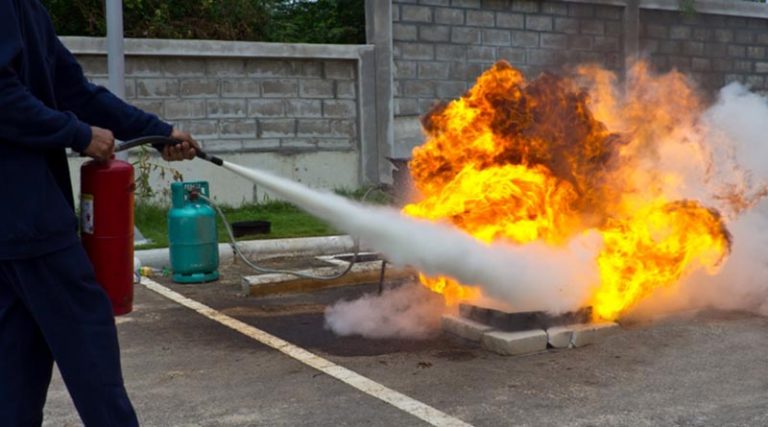
Formal discovering matters, however do not let it change internal ownership. The best programs match outside courses with inner leaders that champion method. Offer your chief emergency warden authority to arrange drills, request maintenance modifications that influence egress, and brief executives. If you treat the ECO as an actual team as opposed to a checklist of names, performance improves.
The silent success that foreshadow success
After a year of excellent drills, you will discover tiny, informing changes. Wardens come to the panel before the chief asks. Radio calls obtain much shorter. People stand and grab their coats when the alert tone seems as opposed to waiting for a 3rd news. New team can point to their local exit without taking a look around. The chief fire warden responsibilities feel less abstract since the group has lived them under safe pressure.
Those silent success compound. They are the distinction between a confused structure and a self-displined discharge when the alarm system sets off genuine. The plan, the hats, the courses, and the signs all issue. However it is the design of your practice scenarios, and the treatment you take into running and debriefing them, that converts a composed emergency plan into a practiced, reputable response.